11 Reasons Why Your Old Dog Stops Greeting You

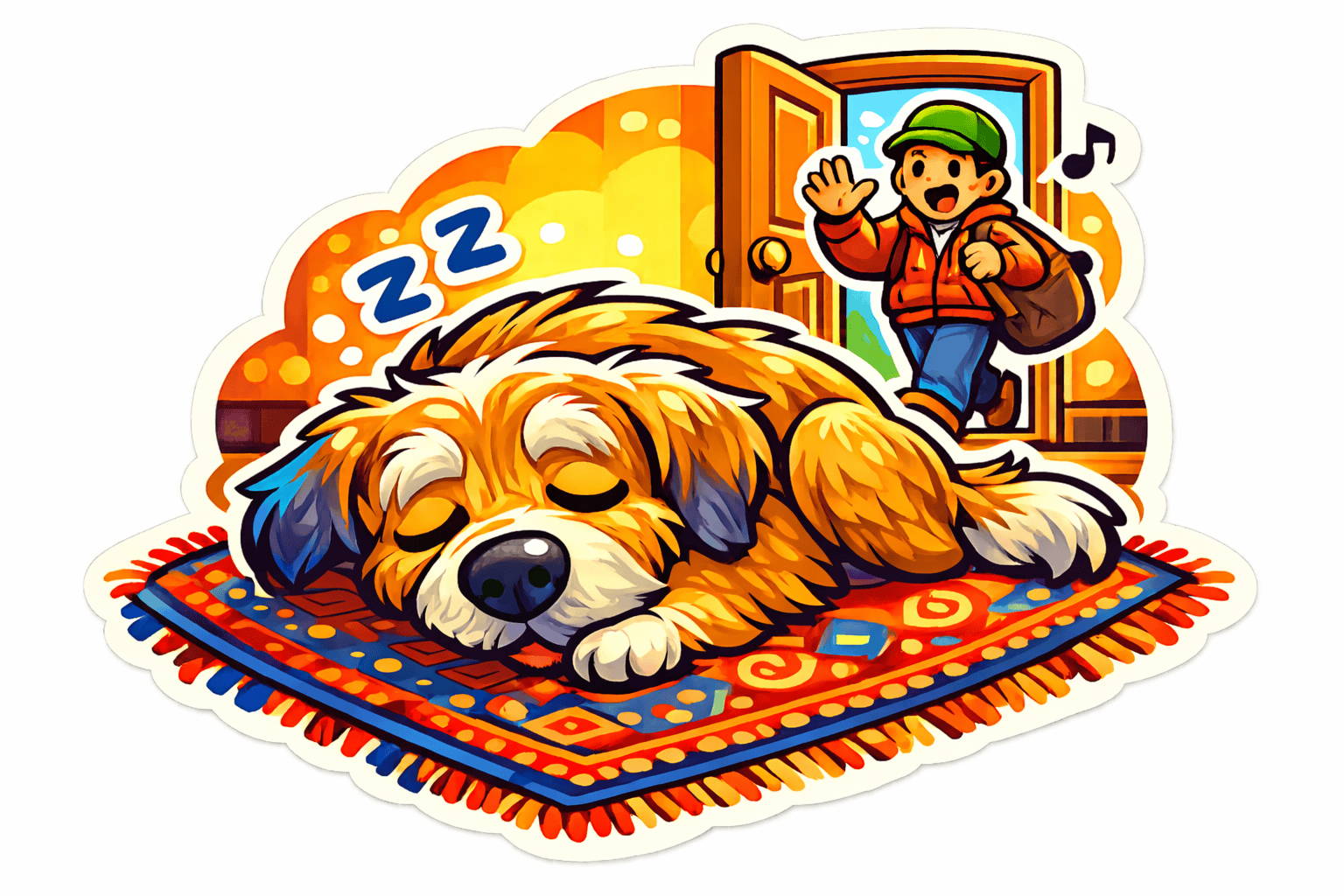
You come home and suddenly your old dog doesn’t rush over like before. That quiet moment can throw you off, even leave you a little worried. Is something wrong? Has your bond changed? It’s only natural to wonder.
Your old dog stops greeting you because aging affects their body, mind, and emotions in all sorts of subtle ways. As dogs get older, they react differently to sounds, sights, comfort, routines, and social time. Here’s what’s going on and how you can keep that connection strong, even as your dog’s needs shift.
1) Cognitive decline or dementia
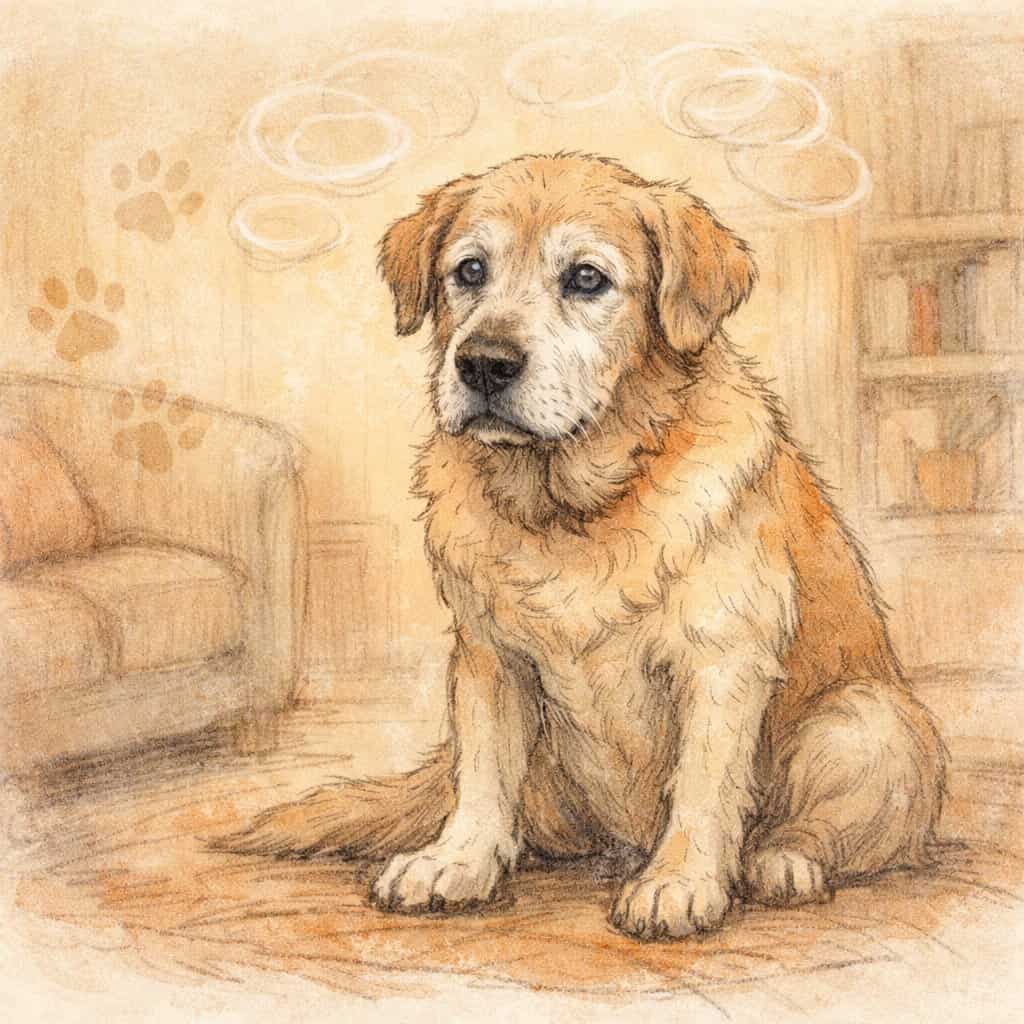
Older dogs’ brains just change. Some develop cognitive decline, also called canine cognitive dysfunction. It messes with memory, learning, and awareness.
Greeting you at the door might slip their mind or just feel confusing. It’s not about loving you any less.
You might see other hints, like disorientation, pacing at night, or your dog staring off into space. Some dogs react slower to familiar voices or cues, too.
Usually, this stuff creeps in gradually. Your dog might greet you some days, then skip it others, and eventually stop altogether.
You can help by keeping routines steady and making things calm at home. Gentle greetings, a soft voice, and patience go a long way to help your dog feel safe.
If the change comes on fast or seems to get worse, check in with your vet. They can rule out other issues and help you figure out what’s next.
2) Reduced energy
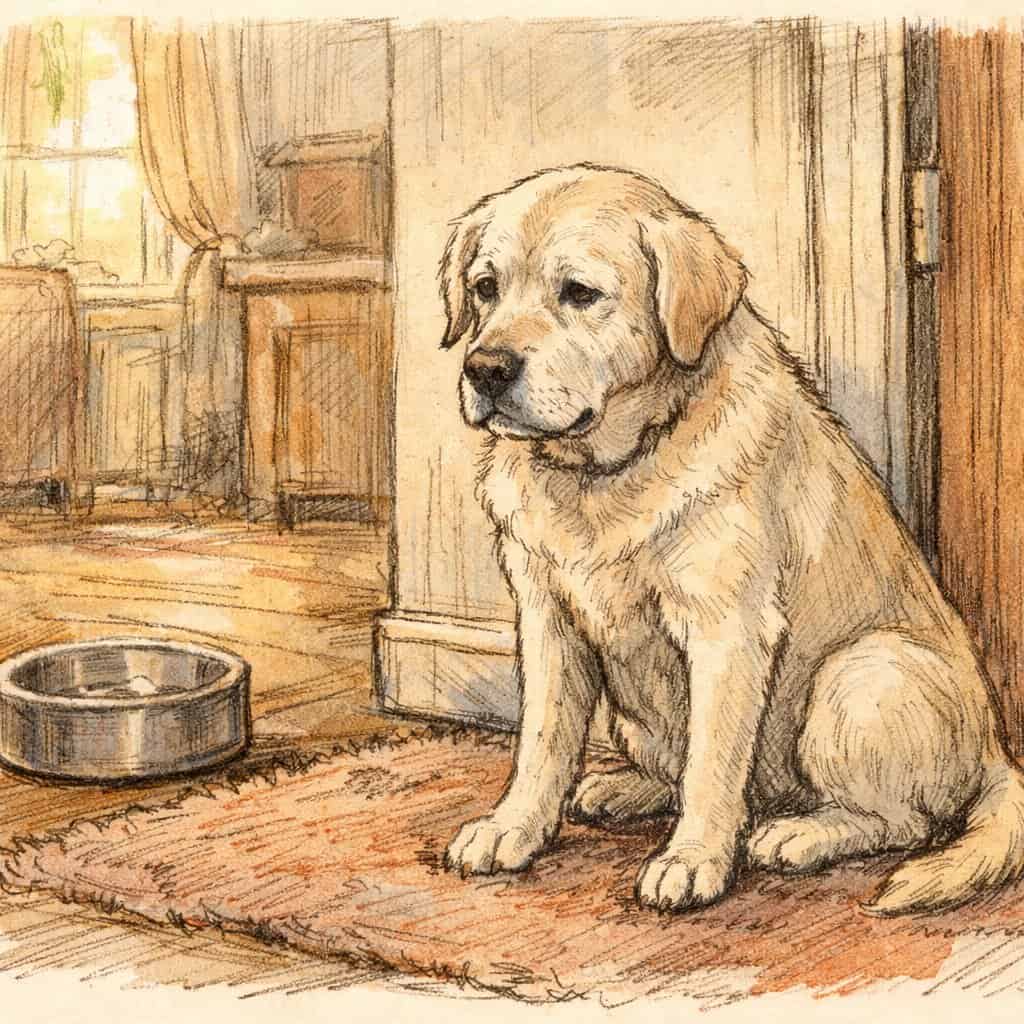
Most older dogs just slow down. They might still love seeing you, but getting up to greet you takes more effort than before. Age saps stamina, muscle strength, and motivation to move.
Health issues like pain, stiff joints, or heart problems can make every step feel like a chore. In those moments, resting wins out over greetings.
Sometimes illness or infection drains their energy. Maybe you notice more naps, sluggishness, or a general “meh” feeling about daily routines. It can sneak up or hit all at once.
Mental changes can zap activity levels, too. Greetings get patchier, but your bond isn’t gone.
If your dog’s energy drops out of nowhere or just feels off, it’s worth a vet visit to see what’s up and keep your dog comfortable.
3) Hearing loss
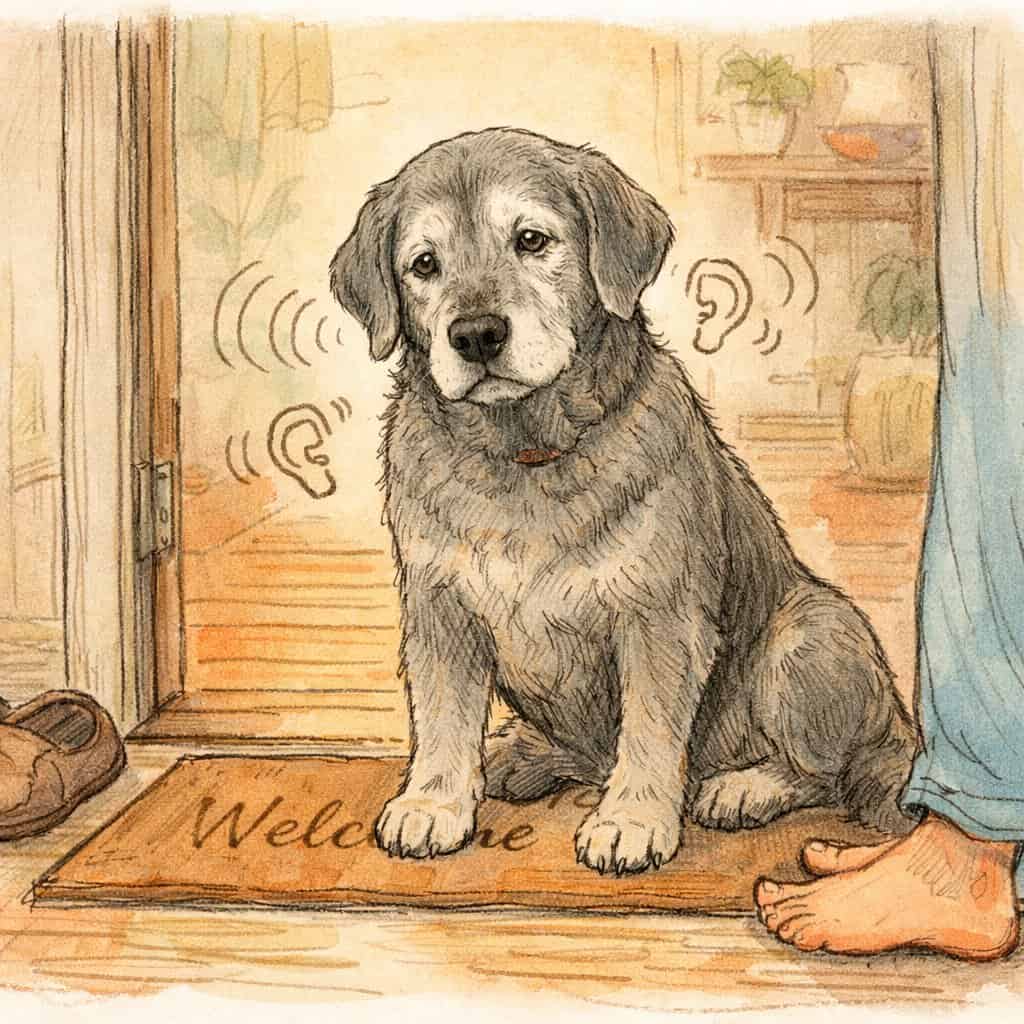
Hearing loss creeps up on a lot of senior dogs. You call their name, but they just don’t react the same. It’s easy to take it personally, but it’s almost never about you.
Older dogs lose the ability to hear higher pitches first. Your voice might just blend into the background, especially if you’re not shouting. Sometimes they’ll greet you, sometimes not, it’s hit or miss.
You might see your dog startle when you touch them or notice they sleep like a log. These are classic signs of hearing fading. Many dogs lean on sight and routine more as their ears get weaker.
It doesn’t mean they care less. If they don’t notice you come in, they can’t greet you. But when they do spot you, the love’s still there.
Try hand signals or stomping the floor gently so they feel the vibrations. Keeping things predictable helps, too.
4) Vision impairment
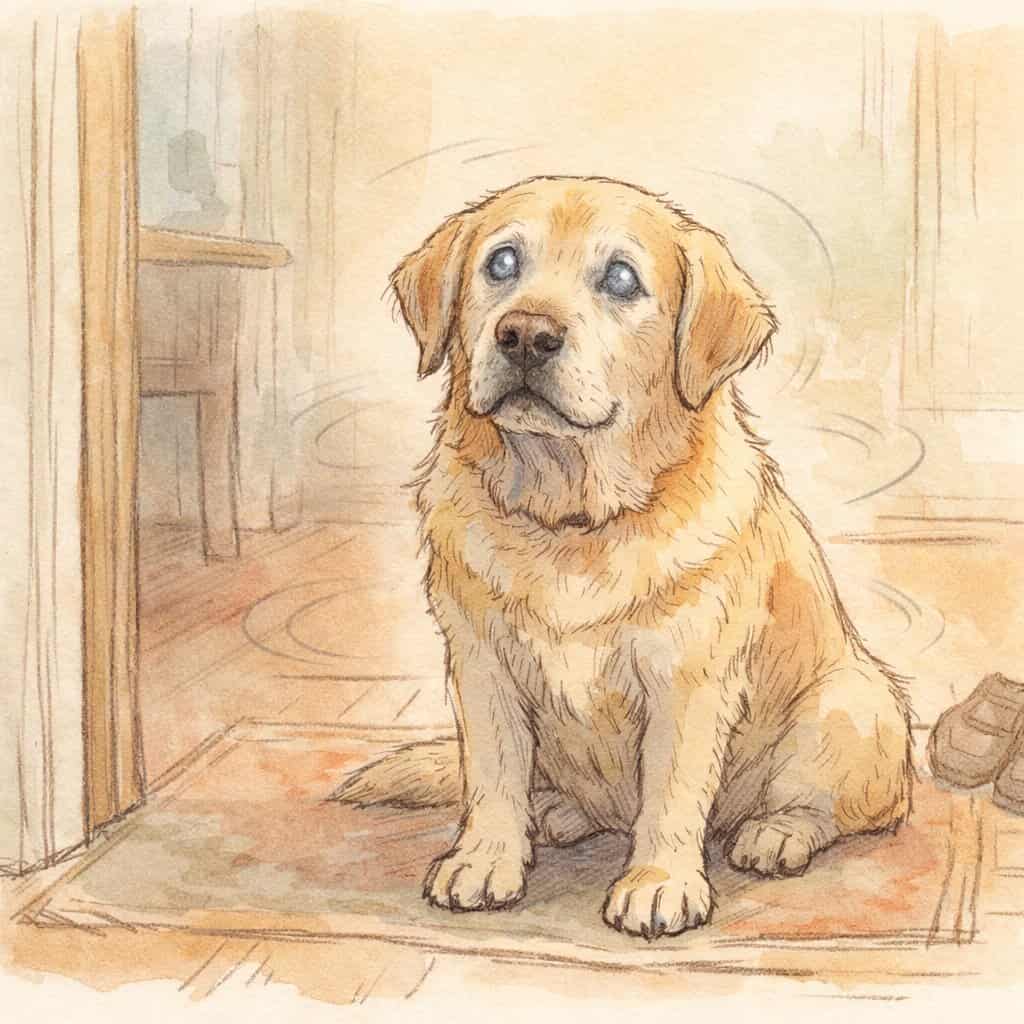
Eyesight fades for a lot of older pups. They might not see you come in or pick you out at the door, so greetings just don’t happen like before.
Vision loss usually comes on slow. Your dog still knows your scent and voice, but visual cues matter for those happy hellos. Without clear sight, some dogs hesitate or just wait for you to speak up.
Nervousness can set in if they can’t see well. Some dogs wait for you to break the ice, others just stay put to avoid bumping into things.
Watch for bumping into furniture, trouble with stairs, or hesitation in dim light. Cataracts and other eye problems are common culprits. A vet can check it out and let you know if there’s a fix.
Try keeping furniture where it is and use your voice for greetings. Gentle sounds and steady routines help them feel safe.
5) Pain or discomfort
Pain knocks the excitement right out of greetings. If standing, walking, or wagging hurts, your dog might just stay put.
Older dogs are champions at hiding pain. Sometimes you’ll only spot tiny changes—slower movement, stiffness after naps, or just a little less pep. These can mean joint pain, arthritis, or sore muscles.
When your dog feels lousy, they might get quiet or seem distant. Skipping greetings doesn’t mean they’ve lost interest in you.
Keep an eye out for limping, heavy panting, or sleeping more than usual. A drop in appetite or playfulness often goes hand-in-hand with pain.
If you suspect pain, talk to your vet. Even simple pain relief or changing up activities can help. When they’re comfy, greetings usually come back.
6) Changes in personality or temperament
Sometimes, age just shifts your dog’s personality. The dog who once barreled to the door might now seem more reserved. Aging can make them less social or just less hyped about routines that used to make their day.
Pain’s often in the mix: achy joints, sore muscles, bad teeth. If greeting you hurts, your dog might just skip it.
Mental shifts matter, too. Confusion, anxiety, or just not being as tuned in can change how they react when you come home.
Sensory loss (worse hearing or eyesight) can mean they don’t notice you right away. It looks like disinterest, but usually, it’s not.
Stress or fear can sneak up with age. New pets, a different schedule, or even moving furniture can throw them. Sometimes, pulling back feels safer than running over to say hi.
7) Stress or anxiety from environmental changes
Stress or anxiety can make your old dog skip greetings. Dogs love routine, and aging makes changes even harder to handle.
Moves, new pets, new faces, or just rearranging the furniture can rattle your dog. When they’re uneasy, they might just hang back instead of running over.
Loud noises, hectic homes, or being left alone too long can crank up stress. Older dogs have less patience and don’t bounce back as easily. Sometimes, avoiding interaction just feels safer.
Health struggles (pain, hearing or vision loss) can make stress even worse when things change. Your dog might choose rest or alone time over greetings.
Stick to steady routines. Calm greetings and a quiet, predictable space help your dog feel settled again.
8) Less social interaction
Older dogs might just want less social time. Maybe they don’t bolt to the door or ask for attention like before. Honestly, that’s often just normal aging not a sign they don’t love you.
Senior dogs tire out faster or get overwhelmed by noise and bustle. Greetings take energy, and sometimes they’d rather just chill. They still enjoy your company, just in a quieter way.
Hearing or vision loss can mean they don’t notice you right away, so they miss the moment for a greeting. It looks like they don’t care, but it’s usually not that simple.
Lots of older dogs like predictable routines. They might feel safer staying put instead of moving around to greet you. Gentle, calm interactions work better at this stage.
9) Physical health issues like arthritis or illness
Pain often keeps dogs from greeting you. Arthritis can make getting up or walking tough, especially after a nap. Sometimes, your dog just decides it’s not worth the effort.
Other illnesses like heart, kidney, or liver problems can drain energy and interest. Fatigue, weakness, or nausea might make your dog want to rest more and move less.
Dental pain can change their mood, too. Sore teeth or gums can make them grumpy or withdrawn. Even just moving around can feel like too much.
Vision or hearing loss can add to the struggle. If your dog doesn’t notice you or feels unsure, they might stay put. It might look like they’re ignoring you, but confusion is often behind it.
If things change suddenly or keep getting worse, check with your vet. Early help can ease pain and help your dog feel more like themselves again.
10) Emotional upset from loss of a companion
Losing a close companion like another pet or a person, can really hit your old dog hard. Dogs feel grief and sadness, and it can change how they act.
You might see less energy, no interest in play, or a lot more time spent resting. Maybe your dog seems distant or quiet when you get home. Usually, that’s emotional stress, not a lack of love.
Grief can mess with appetite and sleep, too. When your dog feels off, the usual greetings might disappear for a while. Older dogs seem to take these changes especially hard.
Keeping routines steady helps. Walks, meals, and quiet time together can bring comfort. Gentle attention and patience give your dog a sense of safety again.
If the change drags on or your dog seems really unwell, your vet can help rule out health problems. Emotional and physical issues can look a lot alike in senior dogs.
11) Routine changes that confuse or unsettle
Your old dog leans on routine to feel safe and calm. If you change meal times, walk schedules, or when you come and go, your dog might get thrown off. That confusion can zap their excitement for greetings.
Even small shifts like using a different door or moving furniture can mess with their sense of order. Older dogs just don’t adapt as fast as they used to.
Health issues make routine even more important. If pain, poor vision, or hearing loss are in the mix, surprises can feel overwhelming. When things get unpredictable, your dog might just stay put instead of coming over.
Stick with steady habits. Feed, walk, and rest your dog at the same times, if you can. Gentle routines help your dog feel secure and more likely to greet you when you walk in.
Social Changes in Senior Dogs
Social habits just change. Some of it’s normal aging, but sometimes it signals health or stress issues that deserve a closer look.
Normal Aging vs. Concerning Behavior
Lots of senior dogs stop greeting you with that same wild excitement they used to have. As your dog get older, they slow down a bit because energy drops, joints get stiff, and their moods mellow out.
You might notice your dog napping more or picking a quiet cuddle over bouncing around the house.
But then there are changes that just don’t feel right. If your dog suddenly pulls away, acts confused, or seems scared, it could mean something hurts or isn’t working right. These shifts usually come on fast and just feel, well, off.
Key differences to notice:
| Normal Aging | Concerning Behavior |
|---|---|
| Slower movements | Sudden hiding or avoidance |
| Shorter greetings | Growling or snapping |
| More sleep | Getting lost in familiar rooms |
If a change in behavior feels abrupt or makes you uneasy, it’s probably time to check in with your vet. Catching things early can really boost your dog’s comfort and spark their interest in being social again.
How Canine Senses Change With Age
Your dog counts on their eyes, ears, and nose to figure out who’s home. Age messes with those senses, so greetings can get weird. Maybe your dog can’t see you from across the room anymore. If their hearing’s faded, they might not notice your voice or footsteps like before.
Even their sense of smell can get dull. Sometimes your dog just needs an extra second to realize it’s you, not because they don’t care, but because their senses aren’t what they used to be.
You can make things easier by using clear signals. Say something before you touch them, come from the front, and try to keep routines familiar. Little tweaks like these can help bring back those gentle, happy greetings.
Strengthen Your Bond With Your Older Dog
If your older dog isn’t running to the door anymore, it might sting a bit, but honestly, your bond can still grow deeper. Focus on daily moments and emotional support that match what your dog needs right now, whether that’s extra comfort, patience, or just a softer touch.
Engagement Techniques
Short, calm, and rewarding. That’s the sweet spot for older dogs. They really appreciate predictable routines and activities that don’t ask too much.
- Gentle training: Stick with simple cues your dog already knows. Use soft treats, lots of praise, and keep it quick under five minutes usually works best.
- Age-friendly play: Try slow-paced games like sniffing out treats or taking short strolls. Skip the rough stuff; it’s just not worth the risk of pain.
- One-on-one time: Just hang out together. Maybe brush them gently or offer a chew during some quiet time. These little moments mean a lot.
Keep an eye on your dog’s signals. If they turn away or look tired, give them a break and try again later. Gentle, steady contact helps your dog feel safe and reminds them you’re there. Even if greetings aren’t as bouncy as before.
Support Emotional Well-Being
Older dogs often pull back because of anxiety, pain, or sensory loss. You can make things easier for them by simplifying daily routines.
- Reduce surprises: Greet your dog in a calm way, skip the loud voices and sudden moves.
- Support comfort: Give them soft bedding, a cozy warm spot, and make sure food and water are easy to reach.
- Protect routines: Stick to the same times for meals, walks, and rest. Dogs really notice when things stay predictable.
Watch for any changes in vision, hearing, or how your dog moves. Book regular vet visits so you can catch pain or illness early. When you show patience and care, your dog starts to trust that being close to you is still good and honestly, that’s what matters most.